Cupping Therapy
Queenstown
Fascial decompression through suction — added to your massage by your therapist to lift and release tissue that compression alone cannot reach.
✦ Book Now in QueenstownCupping therapy uses negative pressure — suction applied through cups placed on the skin — to lift the superficial fascia, skin and underlying soft tissue upward. This is the opposite of every other manual therapy technique, which applies downward compression. That distinction matters: cupping accesses and releases fascial adhesions, fluid stagnation and deep tissue restriction in a way that direct pressure simply cannot.
At Pirom, cupping is offered exclusively as an add-on to a massage session of at least 60 minutes — not as a standalone treatment. This is intentional. Our therapists use cupping as a targeted tool within a broader soft tissue treatment plan, applying it strategically to specific regions where fascial restriction is identified during the massage. The cups are then removed and the released tissue is worked through with massage — allowing the therapist to integrate the decompression with deeper, more effective manual therapy in that area.
We use both static cupping (cups placed and held for a set period) and dynamic sliding cupping (cups moved across oiled skin) — selected based on the tissue presentation and treatment goal for each specific area.
Cupping is applied by therapist assessment — focused on areas where fascial restriction, deep tension or reduced mobility is identified. The following are the primary regions we work with at Pirom.
The most common area for cupping — lifting the thoracolumbar fascia and erector spinae to decompress paraspinal tightness, improve segmental mobility and release the deep fascial layers that compress massage cannot fully address.
Suction across the upper trapezius, rhomboids and posterior shoulder capsule — decompressing the fascial compartments that hold chronic tension in the shoulder and neck girdle region.
Static and sliding cupping along the posterior thigh — lifting the hamstring fascia to improve extensibility, reduce adhesion between the muscle bellies and fascial sheaths, and support recovery from chronic tightness or strain.
Posterior calf cupping to decompress the gastrocnemius and soleus fascia — particularly effective for clients with chronic calf tightness, Achilles tendon loading or lower limb circulation issues.
Anterior chest cupping across the pectoralis major and minor — lifting the fascial restriction that contributes to rounded shoulder posture, chest tightness and restricted breathing patterns. Applied with care to avoid sensitive structures.
Small cup application to the masseter muscle for clients with significant jaw clenching, TMJ tension or facial holding patterns. Applied only under specific therapist assessment — this is a sensitive area requiring experience and precision.
Cupping therapy is a powerful technique with specific contraindications. Your therapist will review your consultation form and assess suitability before applying any cupping. Please disclose your full medical history — cupping will not be applied if any of the following are present:
Your therapist will make the final decision on whether cupping is appropriate for you during your session. If there is any doubt, cupping will not be applied — your safety always takes priority. Cupping marks (redness or bruising) are a normal and expected outcome of the treatment and typically resolve within 3–7 days.
Every client completes a full consultation form before their session, including medical history, medications and any conditions listed above. This information is reviewed by your therapist before cupping is considered or applied.
📍 Book Now in Queenstown
Cupping applied carelessly can mark, bruise and leave a client feeling worse. Applied thoughtfully by a trained therapist within a structured treatment plan, it produces results that massage alone cannot achieve.
Our therapists hold a Diploma of Remedial Massage from Australia and bring hands-on physiotherapy clinic experience — giving them the anatomical knowledge and clinical reasoning to apply cupping precisely, safely and in the right context for each client.
We do not offer cupping as a standalone treatment. It is always applied within a massage session of at least 60 minutes — so your therapist can assess tissue, apply cupping where indicated, then follow with hands-on work to integrate the release. This is how cupping delivers its best results.
Every client is screened through a full consultation form before cupping is applied. Your therapist reviews medications, medical history and skin condition — and makes an independent clinical decision on suitability. Cupping is never applied without this assessment.
We do not place cups across the whole back as routine. Cupping is applied to specific regions where your therapist identifies fascial restriction, tissue adhesion or reduced mobility during the session — making the treatment purposeful rather than performative.
Cupping is recommended and applied based on your therapist's clinical assessment — not simply because you've requested it. If your presentation doesn't indicate cupping, or if there are safety concerns, your therapist will explain and offer an alternative approach.
Before any cups are applied, your therapist will explain what to expect — including the sensation, the likelihood of marking, and how long any discolouration typically lasts. You are always informed and always in control.
Cupping add-on is suited to clients where your therapist identifies fascial restriction, deep adhesion or tissue that would benefit from decompressive rather than compressive work.
✦ Cupping is available as an add-on to any massage session of 60 minutes or longer only — adequate session time is essential to assess tissue, apply and hold the cups, then integrate the release with hands-on massage work after removal.
The 15–20 minute static hold is not arbitrary — it reflects the time required for the suction to produce meaningful physiological change in the tissue. Research supports this duration:
- ✦ A study by Al-Bedah et al. (2019) published in the Journal of Traditional and Complementary Medicine found that sustained static cupping (15–20 minutes) produced significantly greater reductions in pain intensity and tissue tension than shorter application times — attributed to sustained decompression of the fascia and increased local microcirculation.
- ✦ Research by Cao et al. (2012) in PLOS ONE — a systematic review of 135 randomised controlled trials — found cupping therapy effective for pain conditions, with the most consistent outcomes observed when cups were retained for a minimum of 10–15 minutes, allowing sufficient time for skin and fascial receptors to respond to the sustained negative pressure.
- ✦ The proposed mechanism involves stimulation of mechanoreceptors in the dermis and fascia — including Ruffini endings, which respond to sustained stretch and are associated with parasympathetic nervous system activation and fascial softening. These receptors require sustained stimulation (typically 90 seconds to several minutes) to produce a meaningful neurological response, meaning short cup application times are unlikely to achieve the same depth of fascial release.
- ✦ Markowski et al. found that cupping applied for 15 minutes to the lumbar region produced measurable increases in skin surface temperature and tissue perfusion — indicating genuine improvement in local microcirculation and fascial fluid exchange that shorter durations did not replicate.
The marking (discolouration) left by cupping is a result of increased local circulation and the release of stagnant interstitial fluid — not bruising in the conventional sense. Darker marks typically indicate areas of greater fascial restriction and higher fluid stagnation. They resolve within 3–7 days.
📌 Cupping add-on is applied at therapist discretion following clinical assessment. Please disclose all medications and medical conditions in your consultation form. The final decision on suitability rests with your therapist.
Book Your Session Now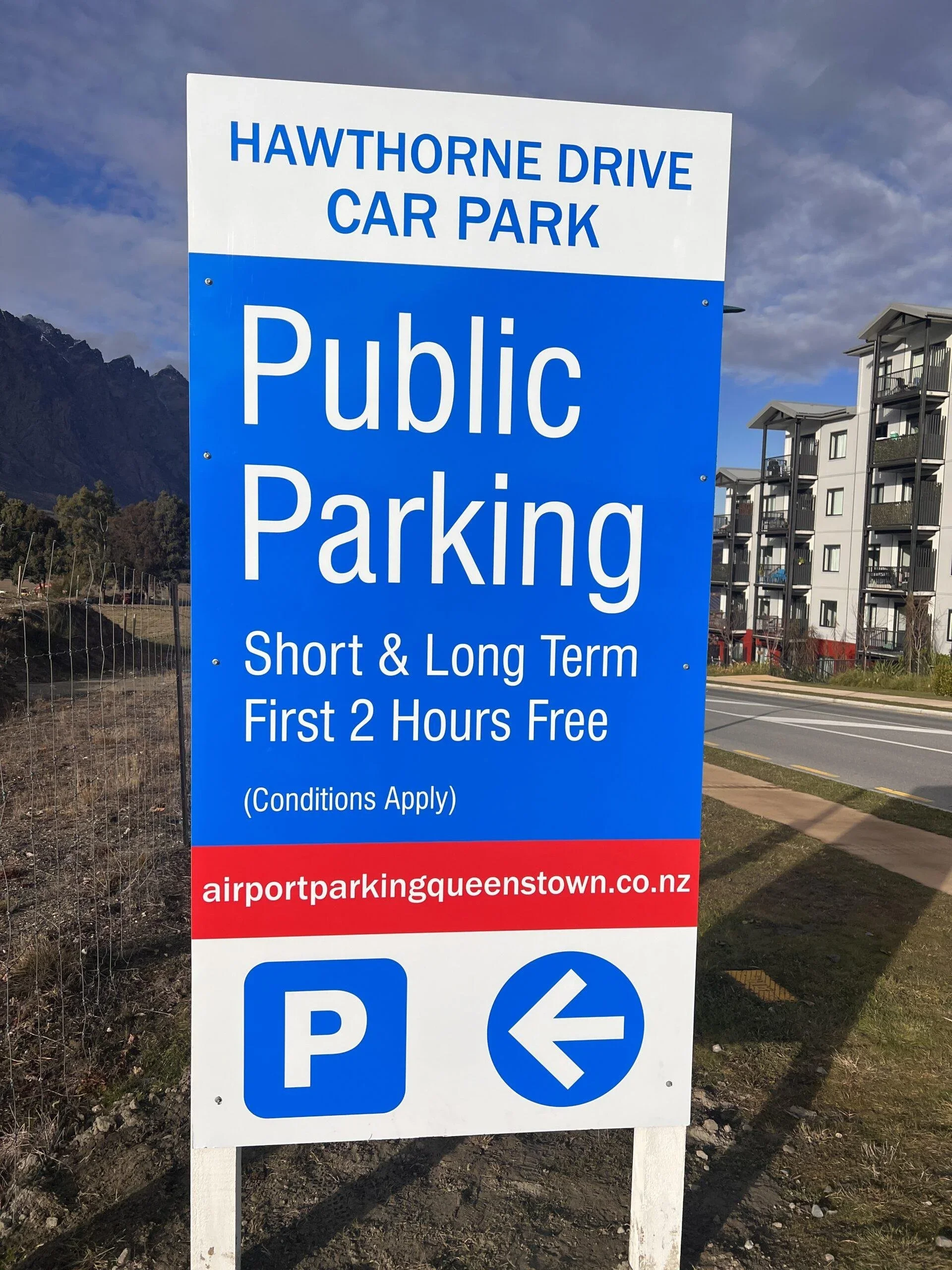
Pirom Queenstown Studio
Ramada Hotel Building, Queenstown
- ✦Free street parking nearby — covers the full duration of your appointment (up to 120 minutes)
- ✦Public parking close by — first 2 hours free (conditions apply) at Airport Parking Queenstown
- ✦Short & long term parking options available nearby
- ✦Easy walking distance from Queenstown town centre
Book With Cupping Add-On
Explore our full range of massage and therapeutic services available at our Queenstown studio.
View All Queenstown Treatments